
High and Low Histamine Foods: What Your Plate Is Doing to Your “Bucket”
Key Takeaways
- High and low histamine foods are categorized into preformed histamine, histamine liberators, and DAO blockers, affecting individual tolerance levels.
- High histamine foods include aged cheeses, fermented items, and certain proteins, which can elevate histamine levels.
- Low histamine foods are typically fresh and minimally processed, providing options that help manage histamine levels.
- Freshness is crucial; histamine levels can rise over time, affecting how food impacts tolerance.
- Understanding your individual threshold and following a structured elimination protocol is key to managing histamine intolerance.
Estimated reading time: 6 minutes
Table of contents
By Maryann Walsh, RD
If you have been searching for a clear, clinically accurate list of high and low histamine foods, you are in the right place.
Most histamine food lists hand you a page of foods to avoid with no explanation of why, no acknowledgment of individual thresholds, and no nuance about how histamine actually accumulates in the body. As a Registered Dietitian specializing in histamine intolerance and MCAS, I want to give you something more useful than a generic avoid list.
This post covers the high and low histamine food categories, explains the mechanisms behind each one, and gives you a framework for using this information without developing fear-based eating patterns.
Why High and Low Histamine Foods Are Complicated
Before the lists, it helps to understand that food-based histamine is not one single problem. It is three overlapping problems.
Preformed histamine means the histamine is already present in the food before it enters your body. This happens through bacterial fermentation and decomposition. The longer a food ages, sits, or ferments, the higher its histamine content climbs. Research confirms that histamine concentration in foods like fish and aged cheese increases significantly with time and temperature (Shalaby, 1996, Food Research International).
Histamine liberators are foods that do not contain much histamine themselves but trigger your mast cells to release histamine directly. Strawberries, citrus, and alcohol fall into this category.
DAO blockers are foods and substances that inhibit diamine oxidase — the primary enzyme that breaks down histamine in your gut. When DAO activity is reduced, even a modest histamine load can overflow your bucket (Maintz and Novak, 2007, American Journal of Clinical Nutrition).
Knowing which category a food falls into changes how you approach it.
High Histamine Foods: What Fills Your Bucket Fastest
These foods are most consistently associated with elevated histamine load. They are not universally intolerable for every person, but they are the most important to evaluate when you are symptomatic.
Fermented and Aged Foods
- Aged cheeses (parmesan, cheddar, gouda, brie, blue cheese)
- Fermented dairy (yogurt, kefir, sour cream, buttermilk)
- Sauerkraut, kimchi, and fermented vegetables
- Kombucha
- Miso, tempeh, and soy sauce
- Vinegar and vinegar-containing foods (pickles, relish, most condiments)
- Sourdough bread
Proteins and Seafood
- All shellfish (shrimp, crab, lobster, clams)
- Canned fish (tuna, sardines, anchovies, salmon)
- Smoked fish and cured meats (salami, pepperoni, bacon, ham, hot dogs)
- Leftover meat of any kind
Histamine Liberators
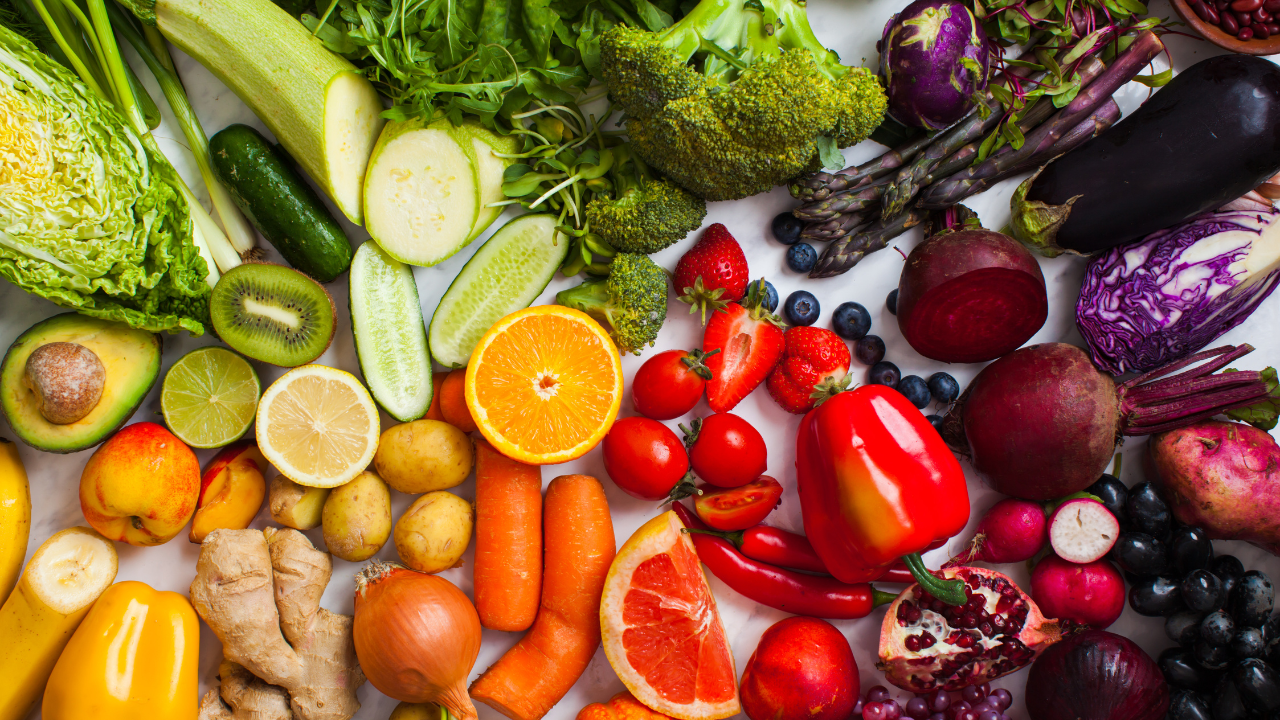
- Strawberries, raspberries, and bananas
- Citrus fruits (oranges, lemons, limes, grapefruit)
- Tomatoes and tomato products (sauce, paste, ketchup)
- Spinach, eggplant, and avocado
- Chocolate and cocoa
- Walnuts, cashews, and peanuts
DAO Blockers
- Alcohol, especially wine
- Energy drinks
- Black tea, green tea, and some herbal teas
Other High-Histamine Items
- Artificial food dyes and preservatives
- Yeast and yeast extracts
- Most processed and packaged foods
Low Histamine Foods: What Gives Your Bucket Room to Breathe
Low histamine foods are generally fresh, minimally processed, and not fermented. The principle is simple: the less bacterial activity has occurred, the lower the histamine content.
Proteins
- Freshly cooked chicken, turkey, and lamb
- Fresh-caught or flash-frozen fish (cooked and eaten immediately)
- Fresh eggs (yolks are generally better tolerated than whites)
- Freshly cooked beef in smaller amounts
Fruits
- Mango, melon, watermelon, and cantaloupe
- Apples, pears, and blueberries
- Coconut and grapes in moderation
Vegetables
- Broccoli, cauliflower, Brussels sprouts, and cabbage
- Zucchini, cucumber, and squash
- Sweet potato and white potato
- Asparagus, green beans, and peas
- Beets, carrots, and artichokes
- Leafy greens other than spinach (romaine, butter lettuce, arugula)
Grains and Starches
- White and brown rice
- Oats and quinoa
- Corn and corn tortillas
- Most gluten-free grains
Fats and Oils
- Olive oil, coconut oil, and fresh butter
- Unrefined cooking oils
Dairy Alternatives
- Coconut milk and coconut yogurt
- Hemp milk, oat milk, and rice milk (check for additives)
Herbs and Seasoning
- Fresh herbs (basil, oregano, parsley, cilantro, thyme)
- Mild spices in small amounts
- Salt and garlic
The Freshness Rule: The Most Important Variable Nobody Talks About
Histamine content in protein foods is not fixed. It rises over time.
Histamine is produced when bacteria break down the amino acid histidine in protein-rich foods. This means a piece of chicken that was perfectly tolerated at dinner may cause a significant reaction as leftovers the next day, even when properly refrigerated. Research shows that histamine levels in fish can increase from negligible amounts to reaction-inducing concentrations within hours at room temperature and within days under refrigeration (Shalaby, 1996).
In practice this means:
- Cook fresh and eat immediately whenever possible
- Freeze proteins the day you buy them if you will not use them within 24 hours
- Avoid buffet-style, slow-cooked, or sitting foods
- Treat leftovers as a significant trigger
This single principle explains why many patients react inconsistently to what they believe is the same food. It was never exactly the same food.
Using the High and Low Histamine Food List Without Fear
This list is a starting point, not a life sentence. Histamine intolerance management is not about eating a handful of safe foods forever. It is about identifying your personal threshold, supporting your DAO enzyme function, and reducing your total load from all sources — not just food.
A structured elimination protocol followed by methodical reintroduction, ideally guided by a knowledgeable dietitian, is the most evidence-based way to identify your actual triggers rather than avoiding everything on a generic list (Comas-Baste et al., 2020, Biomolecules).
This post is for educational purposes only and is not a substitute for individualized medical or nutrition advice. If you suspect histamine intolerance or MCAS, please work with a qualified healthcare provider.
References:
- Comas-Baste, O. et al. (2020). Histamine intolerance: The current state of the art. Biomolecules, 10(8), 1181.
- Maintz, L. and Novak, N. (2007). Histamine and histamine intolerance. American Journal of Clinical Nutrition, 85(5), 1185–1196.
- Shalaby, A.R. (1996). Significance of biogenic amines to food safety. Food Research International, 29(7), 675–690.