
Ultra-Processed Foods – Let’s Talk About It
As a Registered Dietitian, I watch nutrition trends swing wildly between extremes. Ultra-processed foods (UPFs) are currently getting the fear-mongering treatment on social media, with influencers claiming they’re “poisoning” us and responsible for every modern health crisis. Let’s look at what the science actually says—and what you should realistically care about.
What Are Ultra-Processed Foods?
The term comes from the NOVA classification system, which categorizes foods by their degree of processing:
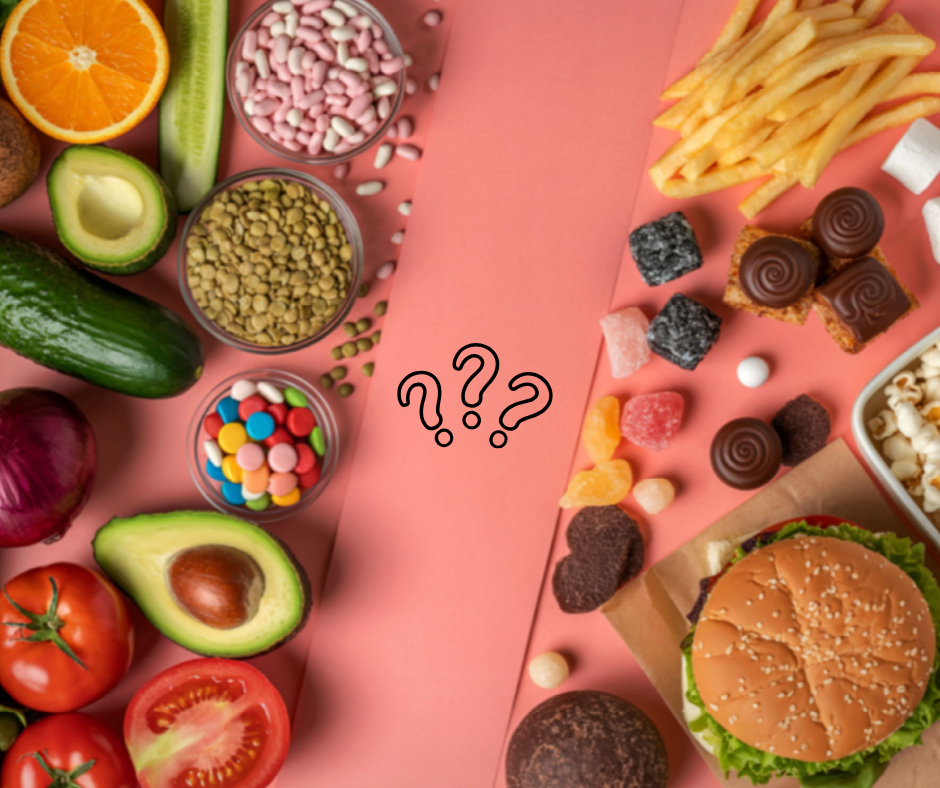
Group 1: Unprocessed/minimally processed (fresh produce, eggs, meat, milk) Group 2: Processed culinary ingredients (oils, butter, sugar, salt) Group 3: Processed foods (canned vegetables, cheese, freshly baked bread) Group 4: Ultra-processed foods (the controversial category)
Ultra-processed foods are defined as industrial formulations with five or more ingredients, typically including substances not used in home cooking: modified starches, hydrogenated oils, protein isolates, artificial colors, emulsifiers, and preservatives.
Examples include: packaged breads, breakfast cereals, protein bars, flavored yogurts, plant-based meat alternatives, meal replacement shakes, frozen pizzas, packaged snacks, and most foods with long ingredient lists you can’t pronounce.
What the Research Actually Shows
Large observational studies have linked high UPF consumption with increased risks of obesity, type 2 diabetes, cardiovascular disease, certain cancers, and earlier death. Those associations are real and consistent across multiple studies.
But here’s where we need nuance:
Observational studies show correlation, not causation. People eating more UPFs also tend to have other risk factors: lower incomes, less nutrition education, higher stress levels, less access to fresh foods, and different lifestyle patterns overall. Untangling which factor drives health outcomes is nearly impossible.
The landmark 2019 NIH study by Kevin Hall did something different: He gave people controlled diets—one ultra-processed, one unprocessed—with matched calories, sugar, fat, and fiber. People on the UPF diet ate 500 more calories daily and gained weight, while the unprocessed group lost weight.
The proposed mechanisms: UPFs are engineered for palatability, are easier to eat quickly, have lower satiety per calorie, and may affect hunger hormones differently. It’s not magic or toxins—it’s about how these foods interact with our appetite regulation.
The Nuance Nobody Talks About
Not all ultra-processed foods are nutritionally equivalent. The NOVA system lumps together:
- Whole grain breakfast cereal fortified with vitamins
- Protein powder
- Greek yogurt with added fruit and stabilizers
- Doritos
- Diet soda
- Meal replacement shakes for medical nutrition therapy
Calling them all equally harmful is reductionist and unhelpful.
Some UPFs provide genuine nutritional value: fortified plant milks for people avoiding dairy, protein bars for athletes needing convenient nutrition, whole grain breads that make fiber accessible, infant formulas for babies who can’t breastfeed.
What Should You Actually Worry About?
Focus on these patterns rather than individual ingredients:
High concern:
- UPFs that dominate your diet (60%+ of calories)
- Foods engineered to override satiety signals (hyperpalatable combinations of fat, sugar, salt, and carbs)
- Eating these foods mindlessly or in response to stress rather than hunger
- Using them to replace whole food meals consistently
Lower concern:
- Having UPFs make up 20-30% of your diet
- Strategic use for convenience when it prevents worse choices
- Choosing UPFs with recognizable ingredients and nutritional value (protein content, fiber, vitamins)
- Using them occasionally in an otherwise whole-food-based diet
The Real-World Context
Here’s what irritates me about UPF alarmism: it ignores socioeconomic reality. Not everyone has time to cook from scratch three times daily. Not everyone has access to affordable fresh produce. Not everyone has the knowledge, energy, or support to prepare whole foods consistently.
Telling someone their protein bar breakfast is “poisoning” them helps no one.
For a single parent working two jobs, a rotisserie chicken and bagged salad (both technically processed) is a nutrition win. For someone in food insecurity, fortified cereal with milk provides essential nutrients. For an athlete, a protein shake supports recovery.
Nutritional perfectionism is a privilege, and it can become its own form of disordered thinking.
Practical Guidance Without Panic
Instead of obsessing over NOVA categories, ask yourself:
Am I eating mostly whole foods at the foundation of my diet? If 70%+ of your intake is minimally processed—vegetables, fruits, whole grains, lean proteins, legumes—you’re doing well.
Are UPFs replacing meals or supplementing them? A protein bar as breakfast is different than a protein bar as a 3pm snack when you’ve already eaten whole food meals.
Do these foods trigger overconsumption for me? Some people can have a serving of chips and stop. Others can’t. Know yourself.
Am I choosing the best versions available? If you’re buying bread, choose whole grain with minimal ingredients. If you need convenience, pick options with protein and fiber.
Does this food serve a purpose? Convenience, nutrition, satisfaction, energy—these are all valid reasons.
The Bottom Line
Ultra-processed foods aren’t “toxic,” but they’re also not ideal as your dietary foundation. The dose makes the poison. Research suggests we should be mindful of UPFs, not terrified of them.
Build your diet around whole foods when possible. Use processed options strategically for convenience, accessibility, and reality. Don’t let perfect be the enemy of good.
And please, stop calling yogurt with added fruit “poison.” We have bigger nutritional fish to fry.