
Estimated reading time: 18 minutes
Table of contents
- What Is Histamine and What Does It Actually Do?
- What Is Histamine Intolerance?
- Symptoms of Histamine Intolerance
- Root Causes of Histamine Intolerance
- What Is MCAS?
- Symptoms of MCAS
- Root Causes of MCAS
- MCAS vs. Histamine Intolerance: Key Differences
- The Histamine Bucket
- Methylation, MTHFR, and Histamine Clearance
- What to Eat: Low Histamine Food Guidance
- Mast Cell Stabilization Through Nutrition
- Testing for Histamine Intolerance and MCAS
- FAQs
- Working With a Dietitian Who Actually Understands This
By Maryann Walsh, RD, CDCES, CMNCS
You eat a “healthy” dinner — maybe salmon, a glass of wine, leftover rice with spinach — and within an hour you have a racing heart, flushed skin, a pounding headache, and a wave of anxiety that seems to come from nowhere. Or maybe you already know food is a problem but every list you find online tells you something different. Avocados are on the avoid list. So are tomatoes, vinegar, and your beloved kombucha. But nobody is explaining why — just handing you a printout and sending you home.
If this sounds familiar, you may be dealing with histamine intolerance, Mast Cell Activation Syndrome (MCAS), or both. And yes — they are different. Understanding which one is driving your symptoms is the difference between a dietary intervention that actually works and one that leaves you more confused and restricted than before.
Let me walk you through both conditions from the ground up.
What Is Histamine and What Does It Actually Do?
Before we talk about what goes wrong, it helps to understand what histamine is supposed to do.
Histamine is a biogenic amine — a chemical messenger produced by your immune cells, gut bacteria, and certain foods. It is not inherently harmful. In fact, histamine is essential. It regulates stomach acid production, modulates the sleep-wake cycle, signals immune defense, influences vascular tone, and acts as a neurotransmitter in the brain.
Histamine works by binding to four types of receptors found throughout the body:
H1 receptors — found in the skin, airways, brain, and blood vessels Activation contributes to: itching, flushing, airway inflammation, anxiety, and headaches
H2 receptors — found in the stomach lining and GI tract Activation influences: stomach acid production, nausea, reflux symptoms
H3 receptors — primarily involved in neurotransmitter regulation in the brain Influences: cognitive function, sleep, appetite regulation
H4 receptors — found in immune cells and gut tissue Involved in: inflammatory signaling, immune modulation, gut motility
Because histamine receptors are located in virtually every major organ system, when histamine accumulates or is released excessively, symptoms can appear completely unrelated to each other — which is exactly why these conditions are so often missed or dismissed.
What Is Histamine Intolerance?
Histamine intolerance is not an allergy. It is an imbalance between how much histamine enters or is produced in the body and how efficiently the body can break it down and clear it.
Under normal circumstances, two primary enzyme systems handle histamine degradation:
DAO (Diamine Oxidase) This is your first line of defense against dietary histamine. DAO is produced in the intestinal lining and breaks down histamine from foods before it can enter the bloodstream. When DAO activity is impaired, histamine from food accumulates rather than being cleared.
DAO function can be reduced by:
- Gut inflammation
- SIBO (small intestinal bacterial overgrowth)
- Dysbiosis
- Intestinal permeability (leaky gut)
- H. pylori infection
- Certain medications including NSAIDs, antidepressants, and some antibiotics
- Nutrient deficiencies — DAO requires vitamin B6, copper, vitamin C, and magnesium to function
HNMT (Histamine N-Methyltransferase) This enzyme handles histamine breakdown intracellularly — inside cells, primarily in the liver and nervous system. HNMT requires adequate methylation capacity and methyl donors to function. Genetic variants in HNMT or in methylation pathway genes (MTHFR, COMT) can reduce clearance capacity.
When both pathways are compromised, histamine builds up — not because the immune system is overreacting, but because the body cannot process the histamine load coming in.
Symptoms of Histamine Intolerance
Histamine intolerance symptoms often appear or worsen after eating high-histamine foods, drinking alcohol, eating aged or fermented foods, or consuming leftovers (which accumulate histamine as they sit).
Skin
- Flushing, particularly of the face, neck, and chest
- Hives or urticaria
- Itching without visible rash
- Eczema flares
- Dermatographia (skin writing)
- Swelling of lips or eyelids
Gastrointestinal
- Bloating and abdominal cramping
- Diarrhea
- Nausea
- Reflux
- IBS-like symptoms
- Abdominal pain after meals
Neurological
- Headaches or migraines
- Anxiety — particularly post-meal anxiety
- Brain fog
- Irritability
- Insomnia
- Sensitivity to smells
Cardiovascular
- Heart palpitations
- Dizziness or lightheadedness
- Flushing with overheated sensation
- Blood pressure fluctuations
Hormonal
- Worsening PMS symptoms
- Flares around ovulation
- Symptoms of estrogen dominance (estrogen increases histamine release and suppresses DAO activity — this is a bidirectional relationship that many women never hear about)
Respiratory
- Nasal congestion and sinus pressure
- Post-nasal drip
- Throat clearing
- Asthma-like symptoms
Root Causes of Histamine Intolerance
Getting to the root cause matters enormously here, because a low-histamine diet is a symptom management strategy — not a cure. The goal is to identify and address what is impairing your ability to metabolize histamine in the first place.
Gut dysfunction The gut is where most dietary histamine is either cleared or allowed through. SIBO, dysbiosis, H. pylori, parasites, and intestinal permeability all damage the intestinal lining where DAO is produced. You cannot produce adequate DAO from a compromised gut.
Nutrient deficiencies DAO synthesis depends on vitamin B6, copper, vitamin C, and magnesium. Deficiencies in any of these — common in populations eating processed Western diets or with chronic GI malabsorption — will directly limit your histamine-clearing capacity.
Impaired methylation HNMT requires methyl groups to metabolize intracellular histamine. If your methylation capacity is reduced — due to MTHFR or COMT variants, B12 or folate deficiency, or high toxic burden — histamine clearance through this pathway slows.
Hormonal influences Estrogen stimulates mast cells to release more histamine while simultaneously reducing DAO activity. This creates a feedback loop in which high estrogen worsens histamine symptoms, and high histamine can further elevate estrogen. Many women notice histamine symptoms are cyclical for this reason.
Dysbiotic bacteria Certain bacterial strains in the gut are histamine-producing rather than histamine-neutral or histamine-degrading. An overgrowth of histamine-producing species (certain Lactobacillus strains, Morganella, Klebsiella) can significantly increase endogenous histamine production independent of dietary intake.
What Is MCAS?
Mast Cell Activation Syndrome is a fundamentally different condition — though it shares many surface-level symptoms with histamine intolerance, the mechanism is distinct.
In MCAS, mast cells themselves become hyperreactive. Mast cells are immune cells that live in connective tissue throughout the body — in the skin, the gut lining, the respiratory tract, the nervous system, and around blood vessels. Under normal circumstances, mast cells degranulate (release their inflammatory contents) in response to real threats: pathogens, toxins, wounds.
In MCAS, this threshold is lowered. Mast cells fire in response to stimuli that should be tolerable: a particular food, a change in temperature, a strong smell, emotional stress, or even physical pressure. When they degranulate, they release not just histamine, but a cascade of other inflammatory mediators including:
- Tryptase — a protease involved in tissue remodeling and inflammation
- Prostaglandins — particularly PGD2, which drives flushing, bone pain, and brain fog
- Leukotrienes — involved in respiratory and cardiovascular symptoms
- Cytokines — broad systemic inflammatory signaling molecules
- Heparin — anticoagulant effects
This is a critical distinction: MCAS is not just a histamine problem. It is a multi-mediator problem. A patient with MCAS may be doing everything right on a low-histamine diet and still feel terrible because prostaglandins or leukotrienes are driving their symptoms — neither of which is addressed by dietary histamine restriction alone.
Symptoms of MCAS
MCAS symptoms tend to be more unpredictable and multi-system than histamine intolerance. A defining feature is that reactions can occur to things that have no histamine content at all — supplements, medications, smells, light, temperature shifts.
Reactivity pattern
- Reactions across multiple unrelated exposures
- Sensitivity to supplements or medications that others tolerate easily
- Chemical and fragrance sensitivity
- Symptoms that fluctuate significantly day to day
- Reactions that don’t follow a predictable food pattern
Neurological
- Sudden waves of anxiety or panic not explained by circumstances
- Sensory sensitivity to light, sound, or smell
- Internal buzzing or vibration sensation
- Cognitive fatigue and brain fog
- Insomnia and non-restorative sleep
- Feeling overstimulated or unable to tolerate normal sensory input
Cardiovascular
- Rapid heart rate (tachycardia)
- Heart palpitations
- POTS-like symptoms — dizziness, lightheadedness, inability to stand without symptoms
- Blood pressure instability
Skin
- Flushing episodes — often sudden and disproportionate to trigger
- Itching without visible rash
- Dermatographia
- Temperature sensitivity, particularly heat intolerance
Respiratory
- Throat tightness or swelling sensation
- Chest tightness and air hunger
- Increased mucus production
- Chronic throat clearing
Gastrointestinal
- Nausea
- Abdominal cramping and pain
- Reactions to an ever-growing list of foods
- Motility disruption — constipation, diarrhea, or alternating
Root Causes of MCAS
MCAS is almost always driven by an underlying chronic immune stressor. Identifying and addressing that stressor is essential — mast cell stabilizers and dietary restriction can reduce symptom burden, but they do not resolve the immune dysregulation driving the condition.
Mold and mycotoxin exposure Water-damaged building exposure is one of the most common and underdiagnosed drivers of MCAS. Mycotoxins from mold act as direct mast cell activators and can sustain chronic immune dysregulation long after the exposure has ended. Many MCAS patients have a history of living or working in moldy environments that was never recognized as relevant.
Chronic infections Lyme disease, Bartonella, Epstein-Barr virus, and parasitic infections can maintain persistent immune activation that keeps mast cells in a state of hypervigilance. These infections are often missed or inadequately treated before MCAS is identified.
Toxic burden Heavy metal accumulation, pesticide exposure, and environmental chemical load all increase oxidative stress and immune dysregulation in ways that can sensitize mast cells over time.
Nervous system dysregulation The autonomic nervous system directly regulates mast cell activity. Chronic stress physiology — particularly a stuck sympathetic state or vagal tone dysregulation — creates a physiological environment in which mast cells remain activated. This is part of why MCAS so frequently overlaps with POTS and dysautonomia.
Connective tissue dysfunction Mast cells live in connective tissue. In hypermobile Ehlers-Danlos Syndrome (hEDS), the structural abnormality of connective tissue creates an environment in which mast cells are chronically stressed and prone to hyperreactivity. The MCAS-POTS-hEDS triad is increasingly recognized in clinical research as a biologically connected cluster, not a coincidence.
Gut-driven inflammation Leaky gut allows LPS (lipopolysaccharide — a bacterial endotoxin) to enter circulation, triggering systemic immune activation and cytokine release. This chronic low-grade endotoxemia keeps the immune system — and mast cells — in a reactive state.
MCAS vs. Histamine Intolerance: Key Differences
| Histamine Intolerance | MCAS | |
|---|---|---|
| Primary mechanism | Impaired histamine breakdown | Mast cell hyperreactivity |
| Mediators involved | Histamine primarily | Histamine, tryptase, prostaglandins, leukotrienes, cytokines |
| Trigger pattern | Typically food/histamine load | Foods, smells, stress, temperature, medications, environment |
| Predictability | More consistent — correlates with histamine load | Unpredictable — can react to the same thing differently on different days |
| Diet response | Low-histamine diet usually reduces symptoms noticeably | Low-histamine diet may help but often insufficient alone |
| Testing | DAO enzyme activity, histamine levels | Tryptase, urine methylhistamine, prostaglandin D2, chromogranin A |
| Root cause focus | Gut health, methylation, nutrient repletion | Mold, infections, nervous system, connective tissue |
The overlap is real and important. Many patients have both — impaired histamine metabolism AND mast cell hyperreactivity operating simultaneously. In those cases, a low-histamine diet helps reduce overall histamine load while the mast cell dysregulation is addressed from the root.
The Histamine Bucket
One of the most useful frameworks for understanding both conditions is the histamine bucket model.
Think of your body’s histamine tolerance as a bucket with a drain at the bottom. Throughout the day, histamine enters the bucket from multiple sources: foods you eat, histamine your own immune cells produce, bacterial histamine production in the gut, hormonal fluctuations, stress hormones, and environmental exposures. The drain represents your body’s ability to clear histamine — through DAO, HNMT, and methylation capacity.
In a healthy person, the drain keeps pace with input. In someone with histamine intolerance, the drain is sluggish — the bucket fills faster than it empties. In someone with MCAS, mast cells are actively pouring histamine into the bucket on top of everything else — overwhelming even a functional drain.
This is why your reaction to a food is not always consistent. On a high-stress day, after a poor night of sleep, mid-cycle, or after a recent exposure to a fragrance or chemical — your bucket may already be nearly full before you sit down to eat. The same meal that was fine last Tuesday tips you over today.
Understanding this model changes how you approach dietary management. The goal is not to eliminate every high-histamine food forever. The goal is to reduce bucket inputs while repairing the drain — and eventually expand tolerance as the underlying physiology improves.
Methylation, MTHFR, and Histamine Clearance
If you have been told you have an MTHFR variant, this section is for you.
Methylation is a biochemical process that transfers methyl groups (a carbon with three hydrogens) to other molecules, activating or deactivating them. Methylation is involved in hundreds of bodily processes — including histamine metabolism through the HNMT pathway.
When methylation capacity is reduced — whether due to MTHFR C677T or A1298C variants, low dietary folate and B12, or high demand states (chronic illness, pregnancy, high toxin burden) — HNMT cannot effectively clear intracellular histamine.
Relevant genetic variants that may influence histamine tolerance:
- MTHFR — affects folate metabolism and methyl donor availability
- COMT — regulates breakdown of catecholamines and shares methylation resources with histamine metabolism; slow COMT means less available methyl groups for histamine clearance
- MAO — involved in breakdown of multiple biogenic amines including histamine
- HNMT — direct polymorphisms in the histamine-methylating enzyme itself
- DAO — genetic variants affecting DAO enzyme production
Important clinical note: Supplementing methylfolate in a histamine-sensitive patient without assessing their full picture can actually worsen histamine symptoms in some individuals. This is an area where working with a practitioner who understands the intersection of methylation and histamine biochemistry is genuinely important.
What to Eat: Low Histamine Food Guidance
A low-histamine diet is a temporary, therapeutic intervention — not a permanent lifestyle. Used strategically, it reduces overall histamine load while the underlying causes are being addressed. It is not meant to be your forever diet, and unnecessary restriction beyond what is needed creates its own set of problems including nutritional inadequacy, disordered eating patterns, and increased food fear.
Generally lower histamine foods:
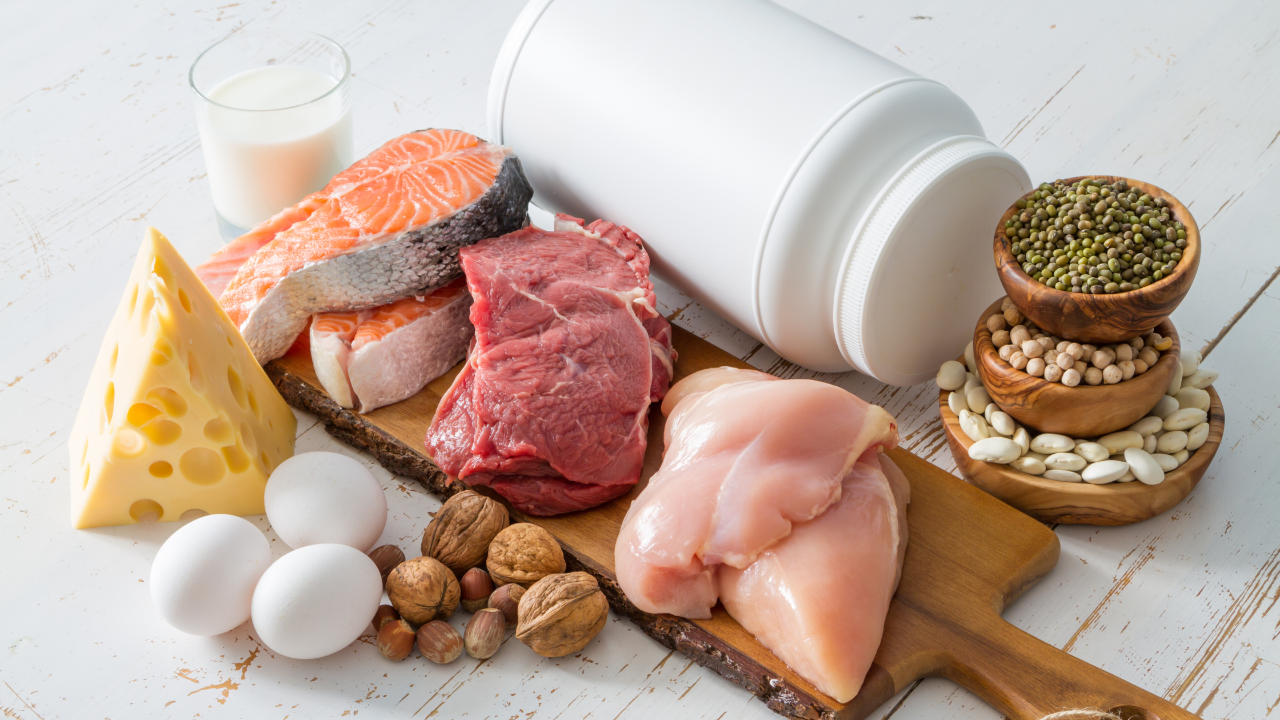
Proteins Fresh (never aged or leftover) chicken, turkey, and lamb. Fresh fish cooked and eaten immediately. Fresh beef. Eggs are variable — many tolerate well. Avoid canned, smoked, or processed meats entirely.
Grains and starches White rice, potatoes, sweet potatoes, cassava, millet, corn. Most plain grains are well-tolerated.
Vegetables Zucchini, cucumber, carrots, broccoli, cabbage, asparagus, garlic, onion (cooked), beets, sweet peas, lettuce. Most fresh vegetables are lower histamine with the exception of those noted below.
Fruits Apples, pears, blueberries, mangoes, melons, grapes, coconut. Most fresh fruit is reasonably tolerated. Strawberries and citrus are histamine liberators (they trigger release rather than containing histamine themselves).
Fats Fresh olive oil, coconut oil, avocado oil, butter or ghee if tolerated.
Higher histamine and histamine-liberating foods to reduce:
- Fermented anything: kombucha, kefir, yogurt, sauerkraut, kimchi, miso, tempeh
- Aged and cured meats: salami, prosciutto, bacon, deli meats
- Aged cheeses of any kind
- Alcohol — all forms, but red wine and beer are particularly high
- Vinegar and vinegar-containing foods: pickles, mustard, ketchup, most condiments
- Canned and smoked fish: tuna, sardines, anchovies, smoked salmon
- Tomatoes, tomato paste, tomato-based sauces
- Spinach and eggplant
- Leftovers — histamine accumulates rapidly as cooked protein sits, even refrigerated
Practical tip: Cook fresh, eat immediately, and freeze leftovers within 30 minutes of cooking rather than refrigerating. Refrigeration slows but does not stop histamine accumulation in cooked protein. Freezing does.
Mast Cell Stabilization Through Nutrition
For MCAS specifically, nutrition strategy goes beyond histamine restriction. The goal is to reduce immune activation and mast cell degranulation at the cellular level.
Natural mast cell stabilizers:
- Quercetin — a flavonoid with well-documented mast cell-stabilizing properties; found in apples, capers, and onions, but often used therapeutically in supplement form
- Luteolin — another flavonoid with anti-degranulation activity; found in celery, parsley, and thyme
- Vitamin C — supports DAO activity and has anti-inflammatory effects; found in fresh bell peppers, kiwi, and broccoli
- Omega-3 fatty acids — reduce prostaglandin production and systemic inflammatory tone; found in fresh fatty fish, flaxseed, and walnuts
Nutrients that support histamine metabolism:
- Vitamin B6 — essential cofactor for DAO enzyme function; found in chicken, turkey, potato, banana
- Copper — required for DAO activity; found in liver, shellfish, nuts, seeds
- Magnesium — supports multiple enzymatic processes including DAO; found in pumpkin seeds, dark chocolate (if tolerated), leafy greens
- Riboflavin (B2) — involved in MAO enzyme function; found in eggs, almonds, mushrooms
Anti-inflammatory nutritional support:
- Curcumin — inhibits inflammatory cytokine production; poorly absorbed without a fat and piperine co-factor
- Vitamin D — immune regulatory effects; deficiency is extremely common in MCAS patients
- Zinc — supports gut barrier integrity and immune modulation
A note on probiotics in this population: not all probiotics are appropriate for histamine-sensitive patients. Several Lactobacillus strains (particularly L. casei, L. bulgaricus, and L. helveticus) are histamine-producing. For MCAS and histamine intolerance patients, histamine-degrading or histamine-neutral strains are preferred — including Lactobacillus rhamnosus, Bifidobacterium infantis, and Bifidobacterium longum.
Testing for Histamine Intolerance and MCAS
Diagnosis in both conditions is challenging because standard labs are often normal. Here is what a thorough functional workup may include:
For histamine intolerance:
- Serum DAO enzyme activity (Doctor’s Data, Dunwoody Diagnostics, US BioTek)
- Plasma histamine
- Urine methylhistamine — reflects total histamine turnover more accurately than a plasma snapshot
- Comprehensive stool testing (GI-MAP or Gut Zoomer) to identify dysbiosis, H. pylori, SIBO-related patterns, and leaky gut markers
For MCAS:
- Serum tryptase — the closest to a standard diagnostic marker; must be drawn during or within 30 minutes of a reaction to be meaningful
- 24-hour urine methylhistamine — more sensitive for ongoing MCAS than serum histamine
- 24-hour urine prostaglandin D2 — elevated in a subset of MCAS patients and helps guide medication selection
- Chromogranin A — a marker of neuroendocrine/mast cell activity
- Serum heparin in some presentations
For food-specific reactivity (independent of histamine): The Mediator Release Test (MRT) by Oxford Biomedical measures white blood cell reactivity to 170 foods and food chemicals regardless of IgE or IgG pathways — which is particularly relevant for MCAS patients, where food reactions are often driven by direct mast cell degranulation rather than antibody-mediated pathways. This is distinctly different from standard IgG food sensitivity panels, which will not capture MCAS-driven reactivity.
FAQs
Q: Can you have both MCAS and histamine intolerance at the same time? Yes — and this is actually common. MCAS floods the body with histamine from the inside while impaired DAO prevents clearance of dietary histamine from the outside. Both problems operating simultaneously creates an extremely high symptom burden. Addressing only one will produce only partial relief.
Q: Is a low-histamine diet the same as the MCAS diet? Not exactly. A low-histamine diet addresses one mediator from one source. MCAS involves multiple mediators (tryptase, prostaglandins, leukotrienes) that are not influenced by histamine restriction. Some MCAS patients do not react significantly to dietary histamine at all — their symptoms are prostaglandin or leukotriene driven. The dietary intervention needs to be individualized based on symptom pattern and ideally guided by testing.
Q: Why do I react to foods that are low in histamine? Several reasons. First, certain low-histamine foods are histamine liberators — they trigger mast cells to release histamine rather than contributing it directly (citrus, strawberries, alcohol, certain additives). Second, if you have MCAS, food proteins and food chemicals beyond histamine can directly trigger mast cell degranulation regardless of histamine content. Third, you may have additional food sensitivities through other immune pathways that an MRT can help identify.
Q: Can these conditions be resolved, or are they permanent? Histamine intolerance caused by gut dysfunction, dysbiosis, or nutrient deficiency is typically reversible with appropriate intervention. It is a functional problem, not a permanent one. MCAS is more complex because it depends on whether the underlying driver — mold exposure, infection, nervous system dysregulation — can be adequately addressed. Many patients achieve significant remission and dramatic expansion of dietary tolerance with the right root-cause approach. The goal is always to work toward more foods, not fewer.
Q: Is this a real diagnosis? My doctor told me these conditions are not recognized. MCAS is recognized by the American Academy of Allergy, Asthma, and Immunology (AAAAI) and has formal diagnostic criteria. Histamine intolerance, while not universally accepted in conventional medicine, is supported by a growing body of gastroenterology and allergy research. If you have been dismissed, finding a clinician — whether a functional medicine physician, allergist, or gastroenterologist familiar with these conditions — who takes your symptom pattern seriously is worth pursuing.
Working With a Dietitian Who Actually Understands This
Here is the honest truth about navigating MCAS and histamine intolerance from a nutrition standpoint: it is not about following a food list. It is about understanding your individual trigger pattern, your root causes, your methylation capacity, your gut architecture, and your mast cell mediator profile — and building a dietary intervention that is targeted, strategic, and designed to expand over time rather than restrict indefinitely.
Generic low-histamine handouts miss most of this. So does IgG food sensitivity testing, which does not capture the immune pathways actually relevant in MCAS.
I work with patients across Florida and Rhode Island via telehealth who are navigating complex, immune-mediated, and dysautonomia-related conditions. If you are dealing with MCAS, POTS, hEDS, histamine intolerance, or chronic fatigue with food reactivity — and you are tired of being told your labs are normal — I want to help you find a clinical path forward that actually makes sense for your biology.
Ready to get started?
Email me at info@mwalshnutrition.com or request an appointment to get started.
Maryann Walsh, RD, CDCES, CMNCS is a Registered Dietitian, Certified Diabetes Care and Education Specialist, and Certified Medical Nutrition Consultant Specialist in private practice at Walsh Nutrition Consulting, Inc. Jupiter, Florida and Rhode Island.
This article is for educational purposes only and does not constitute medical advice or replace care from a licensed healthcare provider.